The story
Before humanity, a civilization went to war over the shape of reality.
Much like the Norse sagas and the Greek epics, Mukō-Gawa is a deep dive into Christian mythology. The narrative tells of Creation and Redemption, as a celestial war culminates in eternal peace.
Mukō-Gawa follows a civil war among a proto-human people who contend on an interdimensional plane — the fold between what is and what was promised. Two orders rise from one making: those who would hold the plane closed, and those who would tear it open.
The Eternals
Who the Eternals are
The Eternals are the proto-human people of this war: the angelic race, the children of the sky, called into being to range across creation, to steward it and to cultivate it. They do not multiply as men do: they are summoned in hosts, and time does not wear them down.
Two natures separate the Eternal from the man. The Eternal is spirit, and spirit alone. Man is spirit and soul, both sheltered in a body. It is that double nature, and not strength, that makes him the centre of the war.
Every Eternal finds a calling within himself, an inclination that moves him before any order is given: toward service, toward wisdom, toward beauty, toward strength. In time the calling hardens into rank. The nine classes are born from it.
And none of this is seen. The Eternal crosses the world of men unperceived. The war that decides their fate passes beside them, and they do not see it.
The two sides
The Host and the Guest
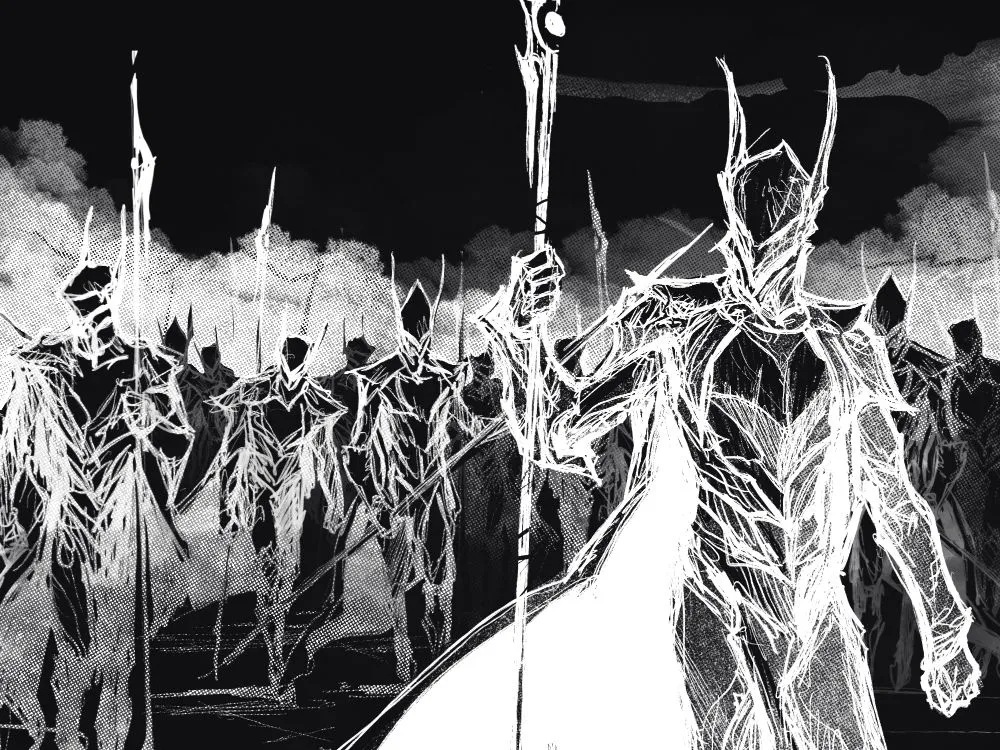
The Host is the army of Eternals who stayed loyal to the Almighty. It is ordered into three Echelons and led by generals such as Michael: the standing force of the Heavens, bound to a war that does not stop.
The Guest are those who followed Helel into rebellion and fell with him. After the fall they raised a faction of their own and named it in mockery of the one they left: Host and Guest, order and the inversion of order.
The Host calls them the Defilers. They do not call themselves that. It is a name from the mouth of the enemy, and it carries what the enemy thinks of them.
The ages
The time this story runs through
The narrative spans from the surge of the Ancient beings who predate mankind to an eschatological closure that is both beautiful and haunting. Protogenesis tells of the Age of Stars until the age of man.
-
The Age of Stars
The earliest age. The Eternals range across the cosmos, chart it and cultivate it, and it is in this time that each one finds his calling.
-
The Sundering
Helel's refusal splits the Host in two and kindles the Celestial War.
-
The age of man
The history of men runs on the surface and the war runs beneath it, unseen. The yomikiri and the Saga are set in this age.
-
The Reckoning
Though the reckoning is ignored by some, it ought to be feared by all, for none can escape it. The collision of the eternal realm onto the realm of mortals is unavoidable. And so is the end.
The places
Where the war is fought
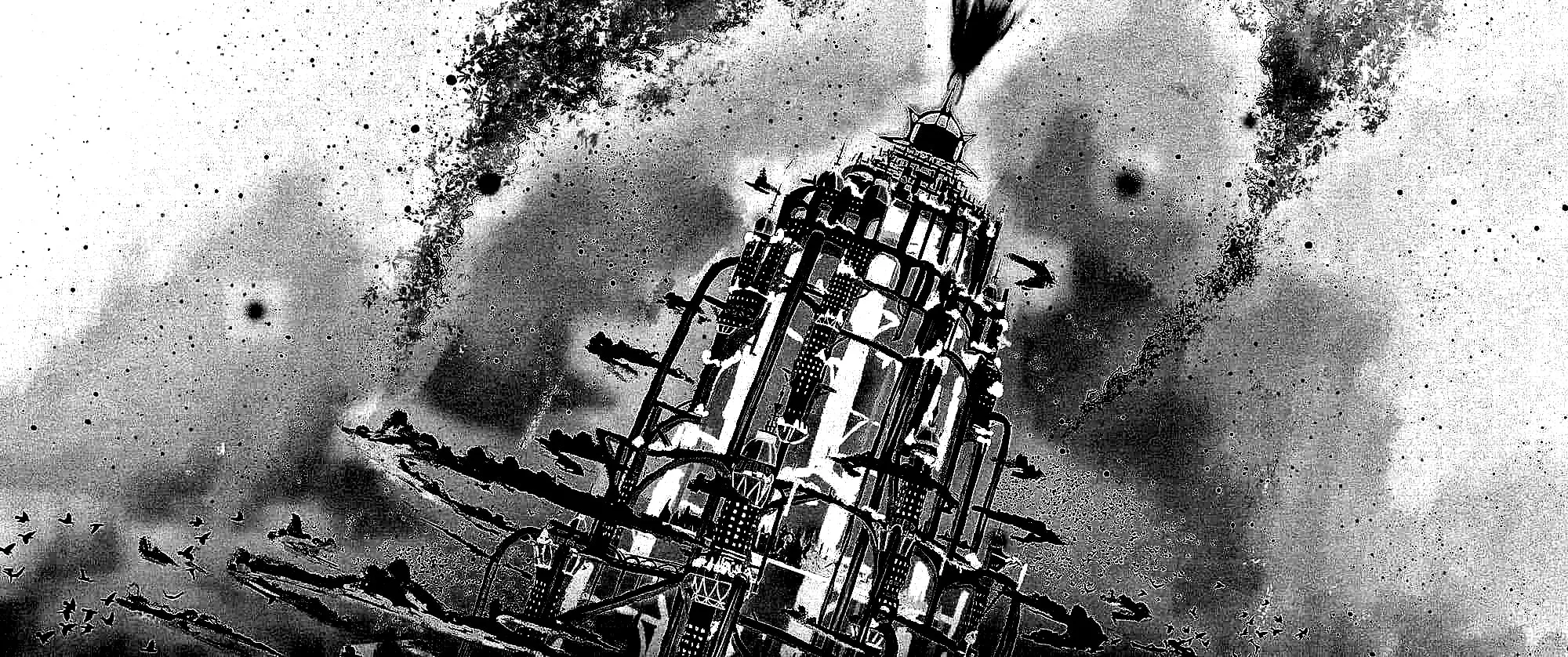
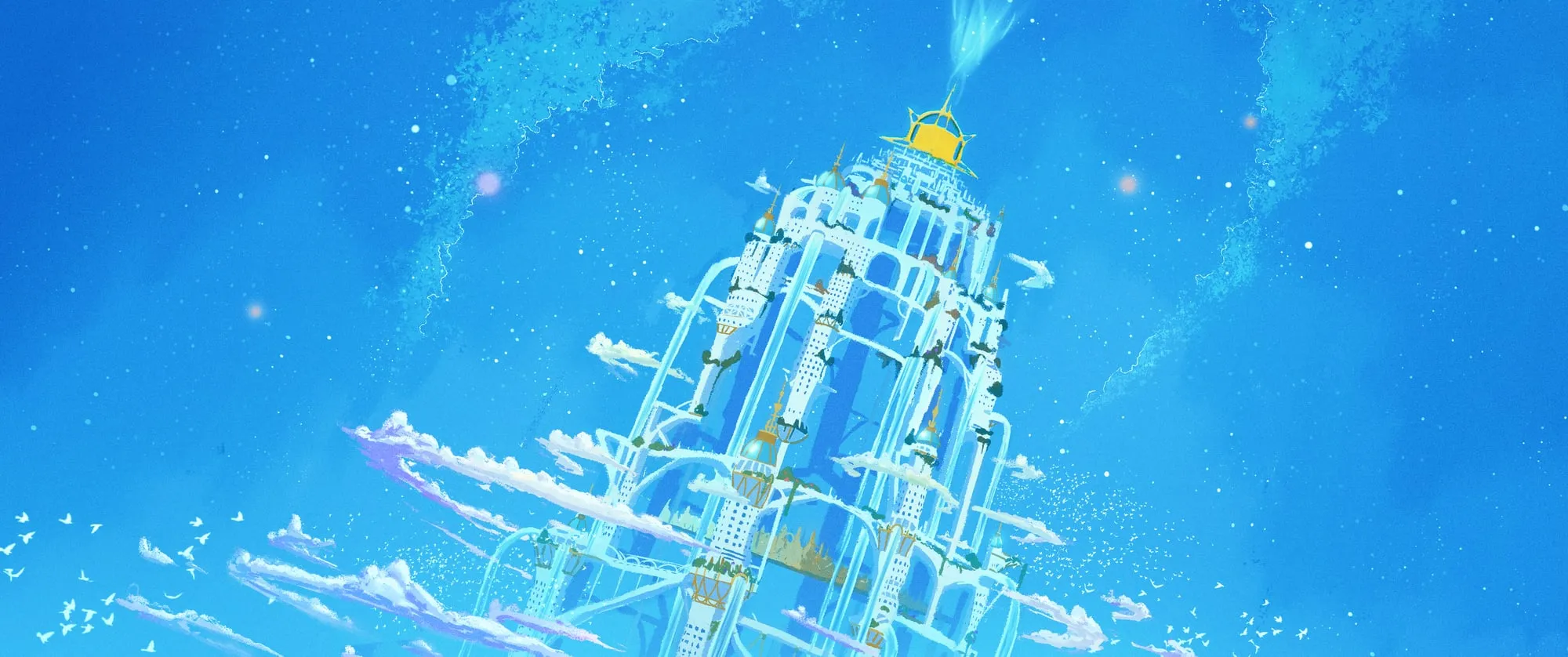
The High Heavens
The seat of the Godhead itself, older than time and more radiant than anything else in the cosmology. This is where the Throne stands. Where the four Seraphim burn eternally in worship, where Cherubim and Ophanim keep their ancient watch, and where the countless ranks of the Host serve, train, and are forged for war. Light and song never stop here. Worship isn't just an act: it is fuel, the very power that moves the Host to battle. Everything about the place radiates order, glory, and unbroken devotion to the Almighty.
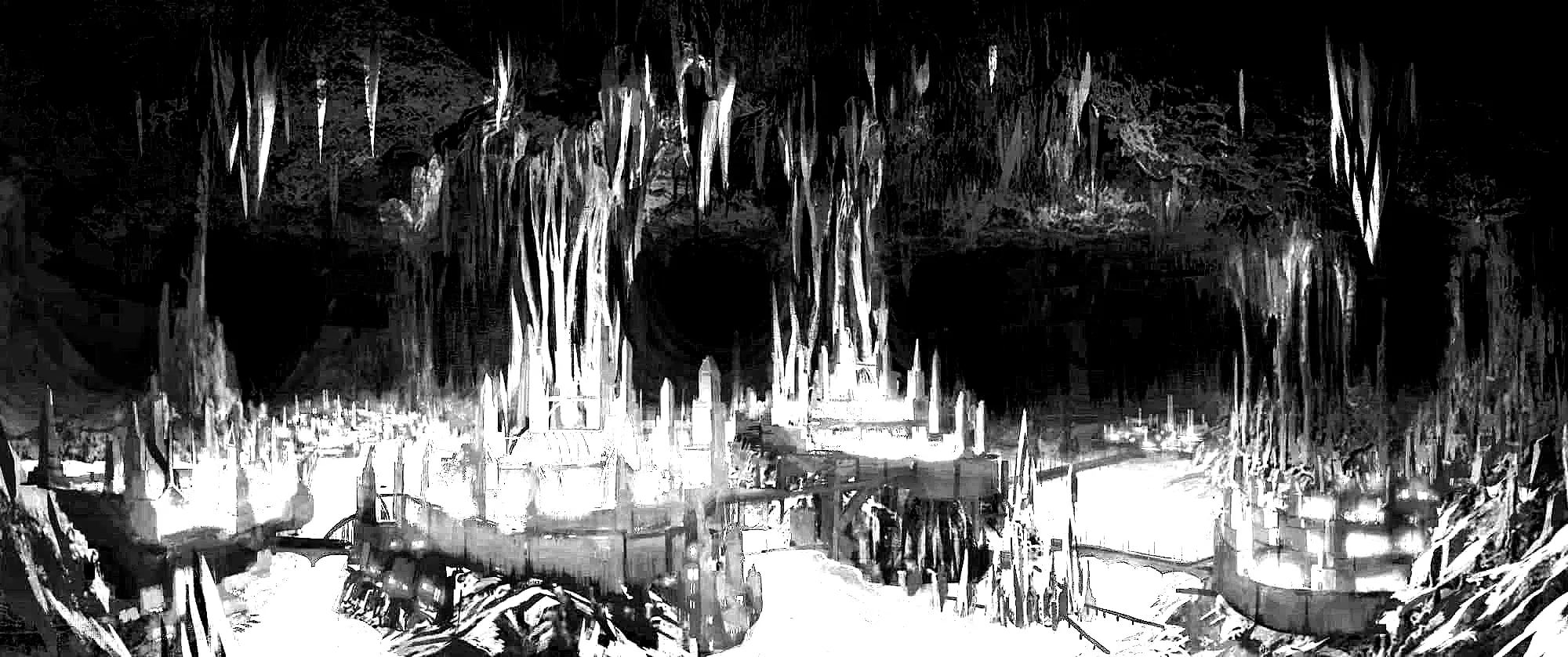
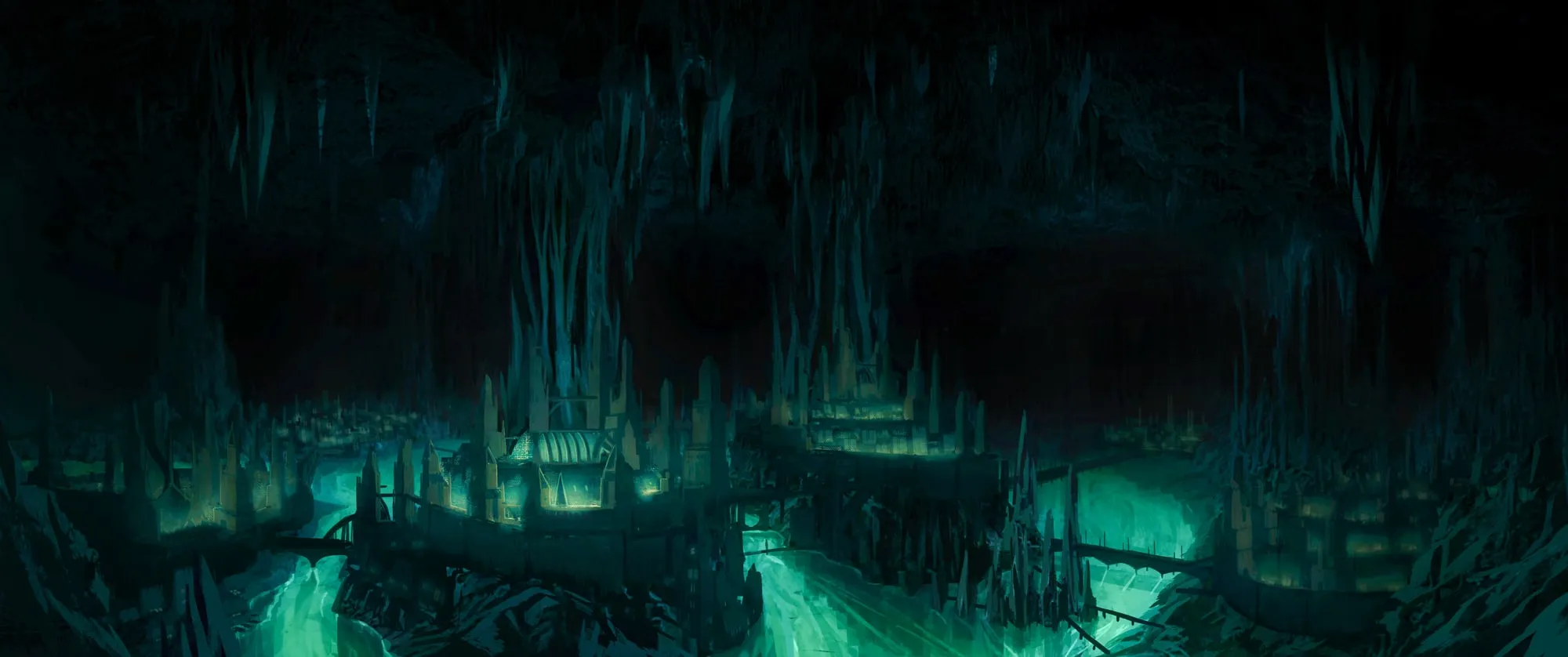
Haven
A hidden city, fiercely guarded, built deep in the underworld and suspended by chains over an acidic lake. Where the High Heavens are open, Haven is secret, concealed even from casual notice: a stronghold for a faction waging rebellion against Heaven's order. It mirrors the High Heavens in function. In nature, it is their opposite.
The Mesopotamian Desert
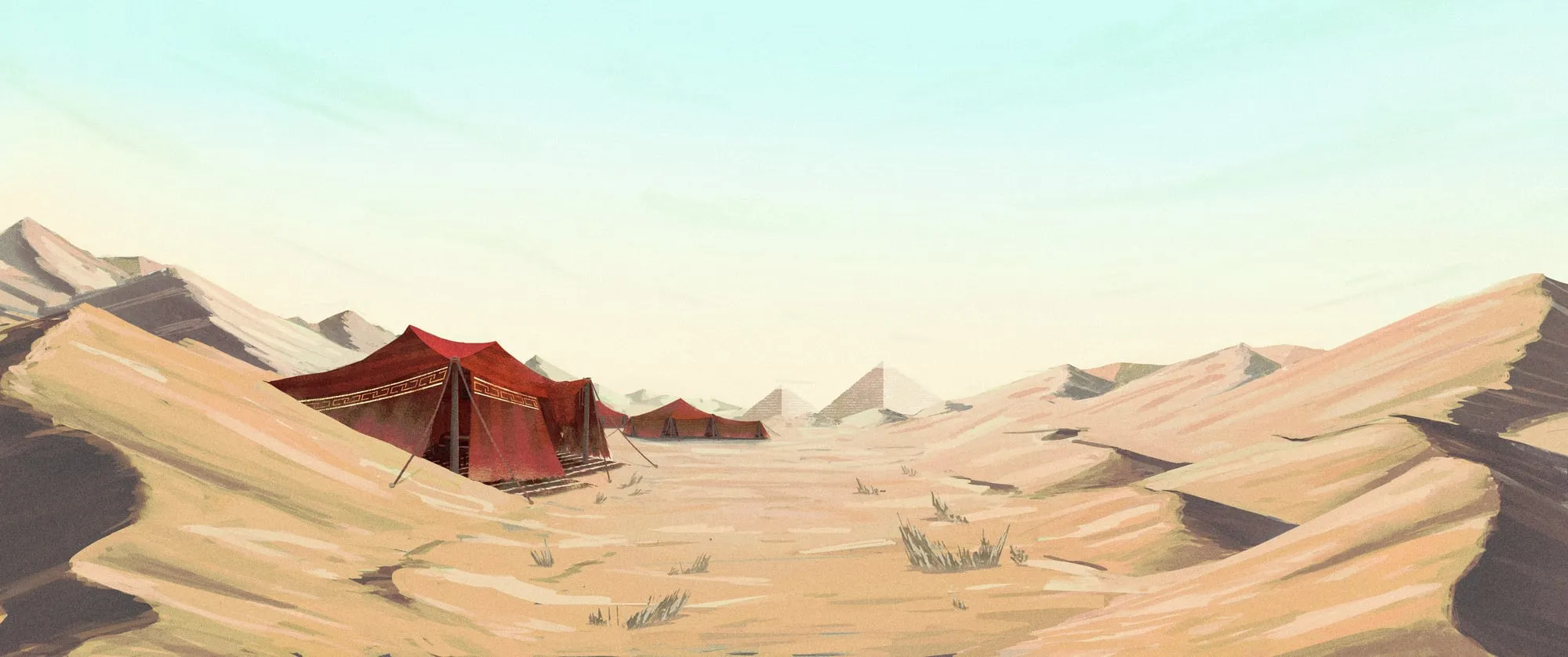
The real-world stage for much of the saga's early history, the ancient Near East where Abraham, Joseph, Egypt, Sumer, Babylon and Assyria all play out. This is the mortal battleground layered beneath Veilstrand, where the visible history of patriarchs and empires unfolds while the invisible war rages just behind it.
Veilstrand (the Veil)
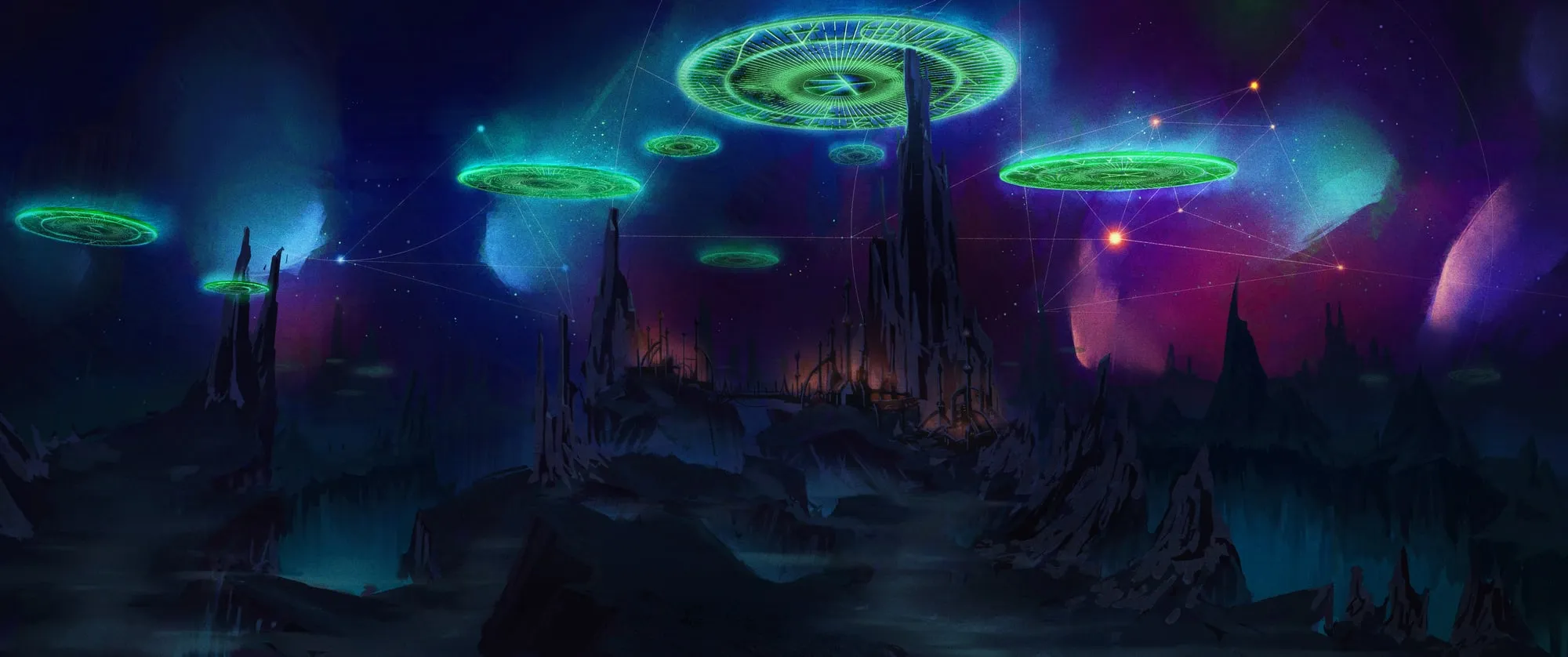
The fabric of reality itself in Mukō-Gawa's cosmology. A four-dimensional plane, reactive to emotion and spiritual significance, where the Eternal Realm overlaps with the mortal world. Distance and scale aren't fixed here the way they are for us: a battle can span a city or fit on a dust mote, depending on how much it matters. This is the other side the series takes its name from — the unseen layer running alongside human history, where the real war is fought.
The price
The Defiled Well
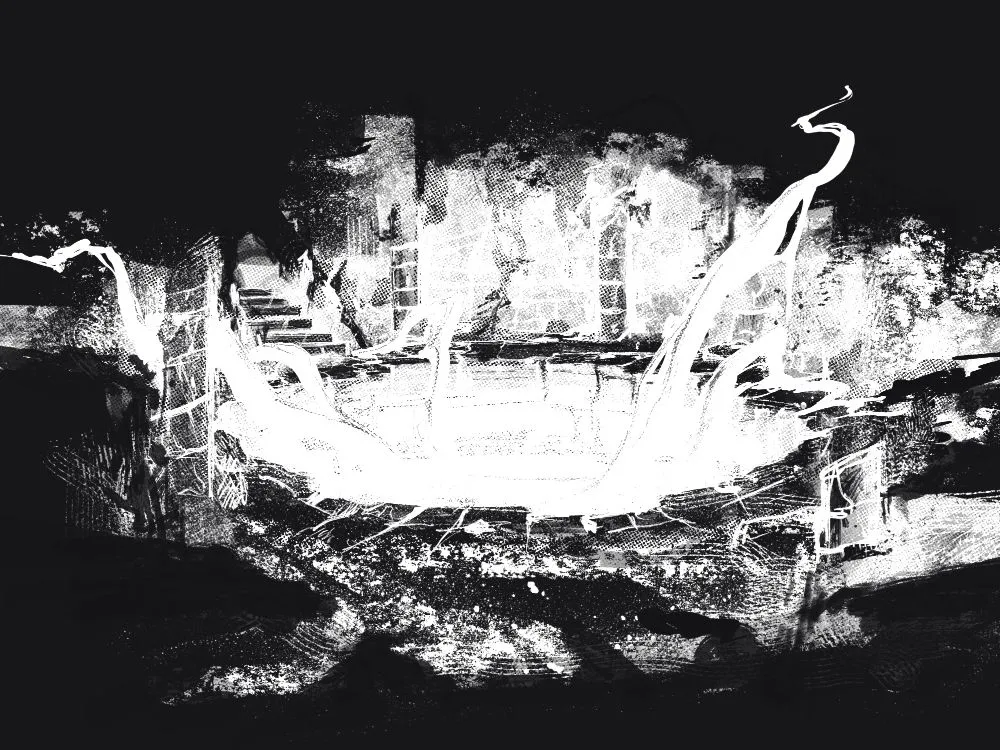
After the Rebellion, the Defilers discovered that the Living Waters of the High Heavens no longer welcomed them. What once healed now burned. In defiance, they stole the sacred waters and brought them into the Abyss. There, under the gaze of King Snake, the stolen grace was twisted through forbidden alchemy, giving rise to the Defiled Well. Among the Guest it does not carry that name: they say only the Well.
The Well offers restoration, but at a price. Each visit corrodes the soul. Forms twist, essence decays, and some are defiled beyond recognition, becoming Tormentors — wretches unleashed upon mankind to sow confusion and dread.
Though the Well grants dark power, there is still reverence for those who retain their original form. To remain uncorrupted is rare among the fallen, and it speaks of a terrifying strength. For in the Abyss, corruption is power, but endurance is glory.
The rupture
War for Mankind
During the Age of Stars, the Heavenly Council was assembled, and the Almighty revealed His design: to bring forth a new world, an inhabitable planet where a new species would rise. They would be called mankind. Unlike the Eternals, they would not be born in hosts but would multiply across the earth, shaped from dust yet bearing the image of the One who formed them. In time, they would be welcomed into the fellowship of Heaven.
But then came the greater mystery, one that stirred the heavens and set eternity on edge: the Eternals would serve mankind in this age. And in the age to come, mankind would serve as arbiters over them.
It was in that moment that Helel's heart turned to stone. He refused the decree. What began as pride became open defiance, and in his heart he coveted the Throne itself. No longer veiled, his rebellion erupted against the Most High, igniting the civil war among the Eternals. In his eyes, the subjugation of mankind is not merely strategy, but self-preservation. In secret, he builds a paradise — a godless utopia, where the self is enthroned and the Architect forgotten.
And though mortals remain, for the most part, blind to the Eternal War, it is no less real. It surrounds them, shaping kingdoms, stirring hearts, shifting the course of history.
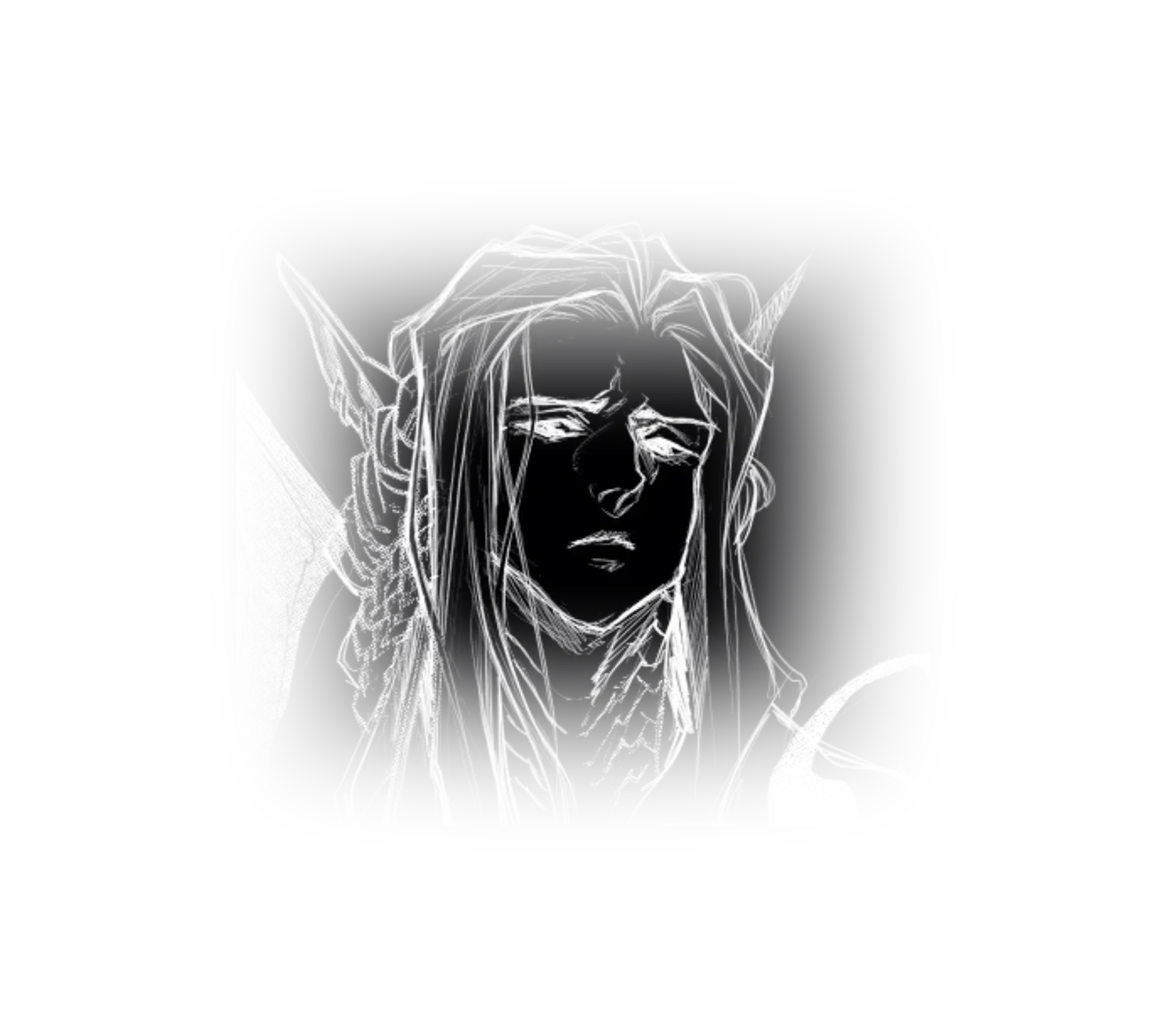
To serve these lesser creatures? To be judged by them? Absurd.
Helel, King of the Guest
The two
Who crosses the Saga
Saga is not told by one. Two cross it from end to end, and the line of the war runs between them.
One is Kharzul. He was a prince of the Second Echelon, and he traded the Light for the promise of ascent. Michael defeated him, and with the defeat came what cuts deeper: the rank stripped, the name disgraced, the post of a scout. He sees the war from below, and it is from there that he tells it.
The other is a surprise kept from the reader. He moves on the far side of the line and knows Kharzul as only an old adversary can. Where one advances, the other has already been. Where one withdraws, the other waits. The name will come in its own time.
The work
Three series
-
Saga
Five seasons // Five books // Main manga arc
Saga is the tale of redemption told from the other side. A brutal war fought through sword and mind, where legions descend upon their foes and generals wield not only power, but strategy. Divided into five parts, Saga unfolds the eternal conflict between the Host and the Guest, as the fate of mankind hangs in the balance.
-
Protogenesis
Prequel // Feature film & book
Protogenesis is the origin: a mythic retelling of what transpired before the war began, standing to Saga as The Silmarillion stands to The Lord of the Rings. In the adaptation plan, Protogenesis is a feature film, and would come between Seasons Two and Three, offering depth, context, and ancient history.
-
Unveiled
Epilogue // Feature film & book
Unveiled is the final light. After the climactic end of Season Five, many will be left wondering what became of their favourite characters. In the adaptation plan, Unveiled is the post-series film, bringing resolution, mystery and closure — the final act in the Mukō-Gawa journey.
The foundation
Christian mythology
Mukō-Gawa is a work rooted in Christian mythology. While remaining faithful to the biblical narrative, it draws upon the discipline of biblical synergism — an approach that honours Scripture while engaging with history, tradition and theological imagination to build a world that fits within the contours of what the Bible reveals. Though the writer holds biblical accuracy in high regard, Mukō-Gawa is ultimately a work of fiction. The events of Scripture remain untouched, but what happens between the lines is shaped by fantasy. Angels clash behind the veil. Powers move unseen. Choices ripple across realms.
It must also be said: there are many schools of biblical interpretation. To choose one path is, inevitably, to leave others behind. Mukō-Gawa does not pretend to please every doctrine; it seeks, rather, to tell the greatest story of all — the Tale of Redemption.
Advisory
Mukō-Gawa is a dark fantasy supposal — a reimagining of biblical themes woven into a mythic world of unseen war and eternal consequence. It contains mature content, including intense violence, dark thematic elements and emotionally charged storytelling. Recommended for a mature audience.